Lotus Flower Meaning and Healing Benefits for Mind, Body, and Spirit
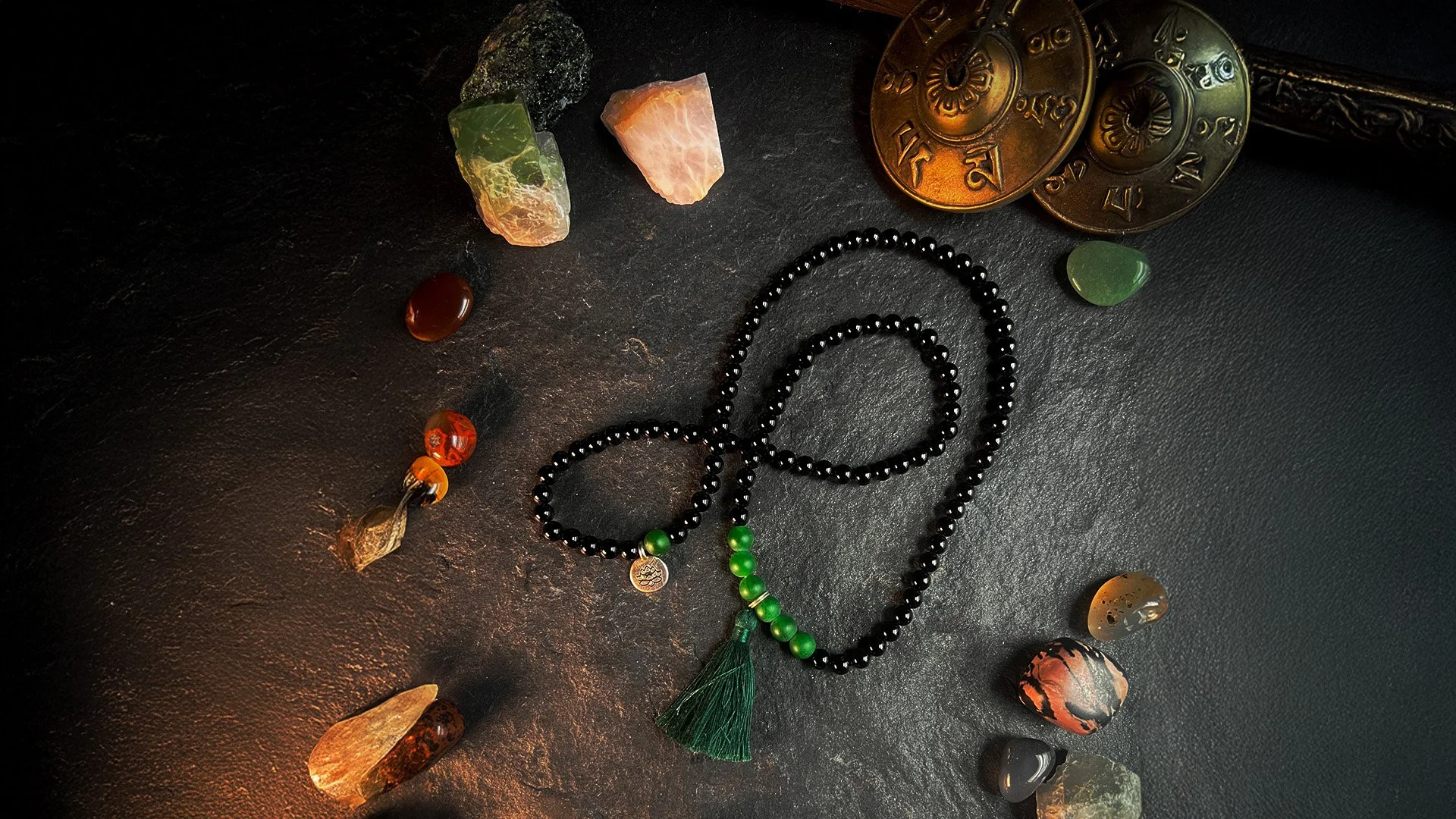
The Lotus Flower has always captured the human imagination. It grows from muddy waters, yet opens into a perfect bloom untouched by the dirt beneath it. Across time and cultures, the lotus has stood as a symbol of purity, resilience, and spiritual awakening. Its petals whisper stories of transformation, reminding us that no matter where we come from, we can rise above hardship and turn pain into wisdom.
In Eastern traditions, the lotus is more than a flower; it is a spiritual compass. In Hinduism and Buddhism, gods and enlightened beings are often depicted seated on a lotus, representing transcendence and divine truth. In ancient Egypt, the lotus symbolized rebirth and the sun’s daily renewal. For warriors, seekers, and everyday people navigating their own battles, the lotus is a reminder that we, too, can rise from difficult experiences into something strong, balanced, and radiant.
This blog explores the meaning of the lotus and its healing benefits for the mind, body, and spirit. We’ll also connect its symbolism to Mala for Vets gemstone intentions, chakra alignment, and practical practices you can use in your daily life, including a short meditation and pranayama (breathwork) exercise. The goal is simple: to offer you insight, healing tools, and inspiration drawn from one of nature’s most powerful teachers—the lotus flower.
The Symbolism of the Lotus
Rising from the Mud
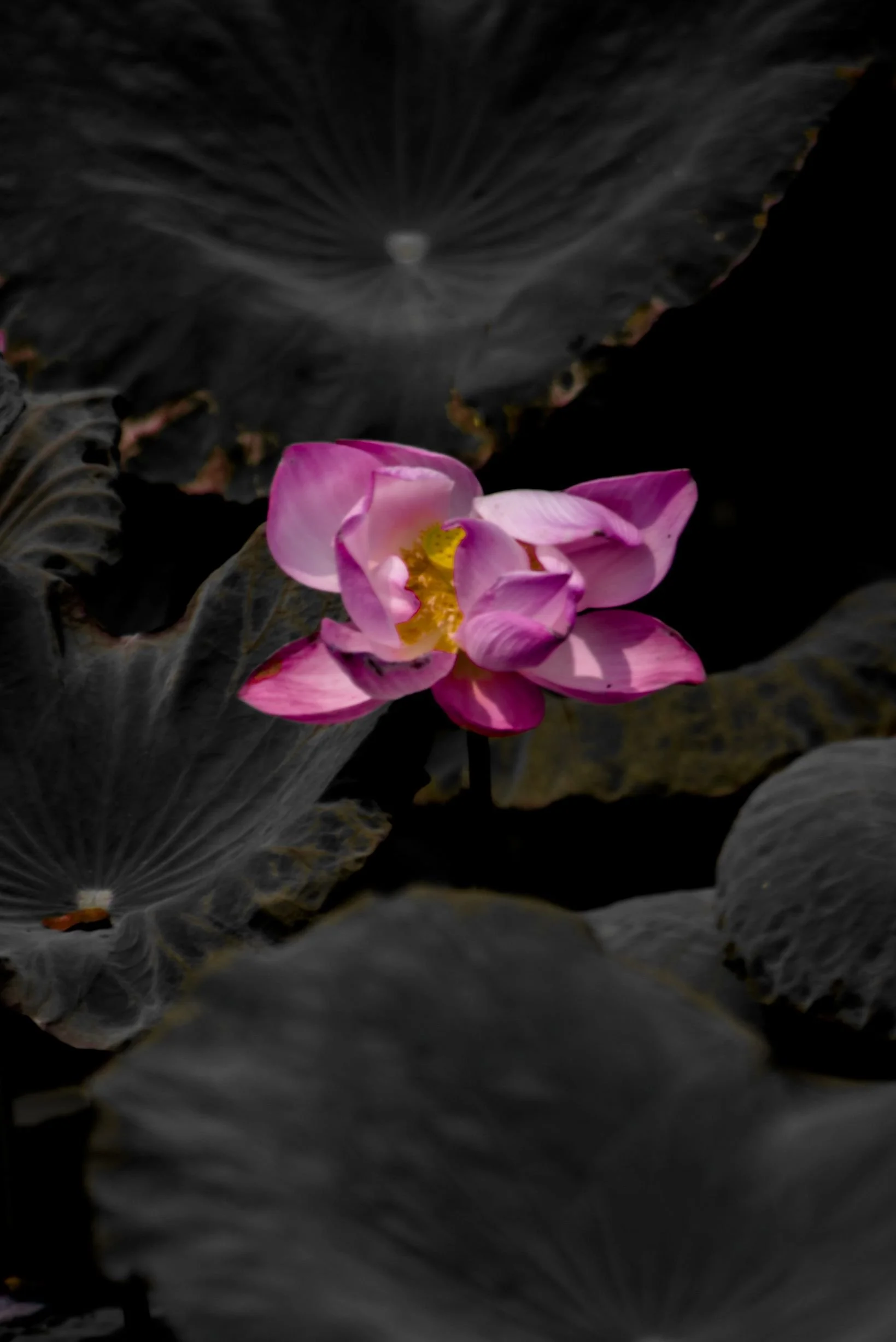
At its core, the lotus represents resilience. Unlike most flowers that grow in open fields or gardens, the lotus begins its journey deep in mud and murky water. Its roots are hidden in darkness, yet its stem pushes upward, seeking light. Finally, it emerges at the surface and blossoms, untouched by the dirt below. This cycle mirrors the human experience: we all face pain, trauma, or hardship, but within us is the strength to rise, heal, and open to life’s possibilities.
Lotus in Buddhism
In Buddhism, the lotus symbolizes purity of mind, body, and spirit. A closed bud represents the beginning of a spiritual path, while a fully open lotus represents enlightenment. Each color of lotus has a specific meaning: white for purity, pink for the Buddha, red for compassion, blue for wisdom, and purple for mysticism. The lotus reminds practitioners that the path to awakening isn’t about escaping life’s challenges but transforming through them.
Lotus in Hinduism
Hindu traditions honor the lotus as the seat of divine power. Many deities, including Lakshmi (goddess of prosperity) and Vishnu (the preserver), are depicted seated on a lotus. The lotus represents beauty, abundance, and the unfolding of spiritual knowledge. Just as its petals open gradually, wisdom and self-realization also unfold layer by layer.
The Warrior’s Lotus
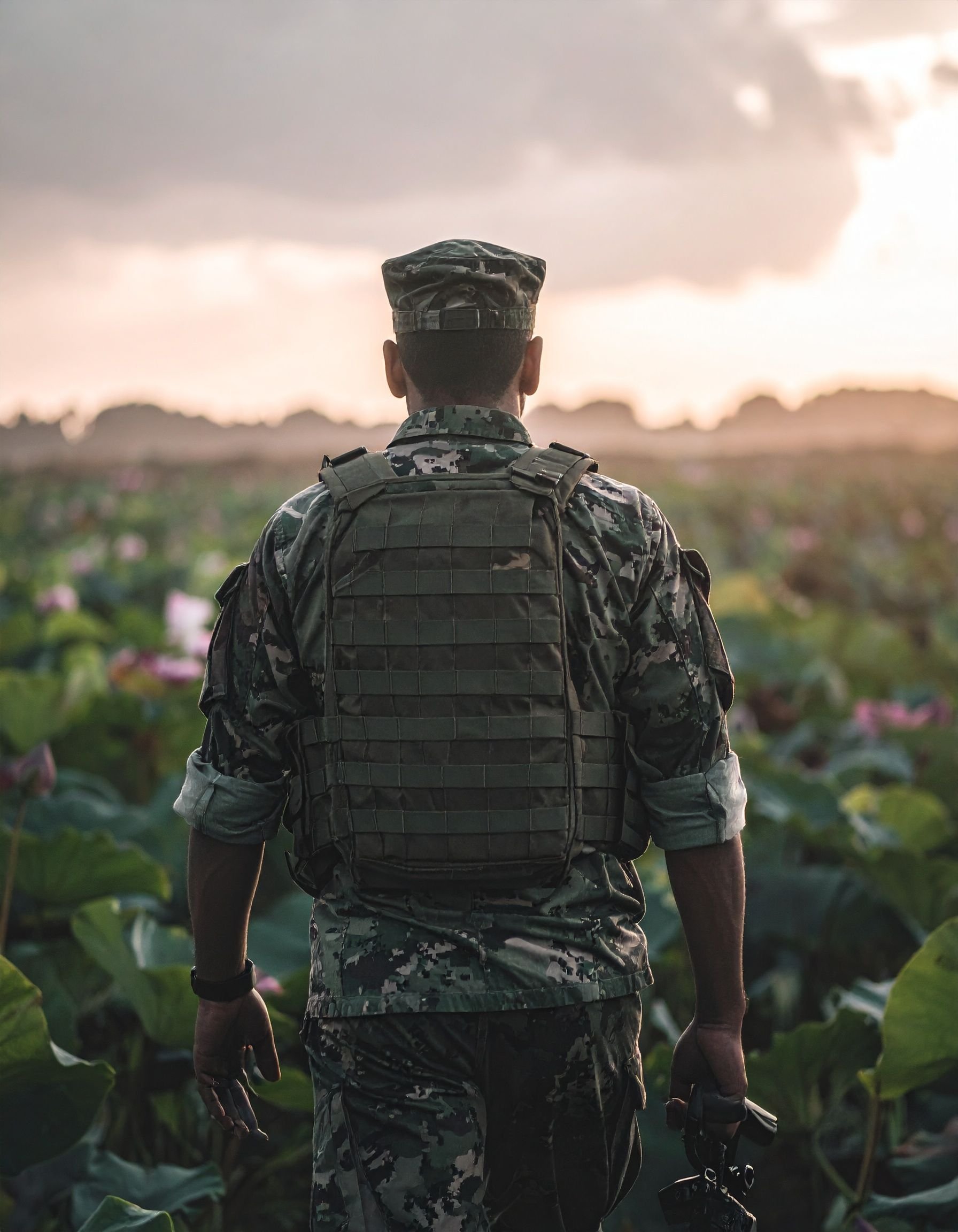
For veterans, healers, and anyone who has walked through trauma, the lotus holds a special meaning. Its story mirrors the warrior’s path: enduring hardship, carrying unseen battles, and yet finding ways to rise and bloom. The lotus isn’t about perfection—it’s about transformation. It’s a reminder that growth doesn’t happen despite the mud; it happens because of it.

Mala for Vets Gemstone Intentions & Lotus Energy
Mala for Vets is built on the idea of healing through symbolism, intention, and connection. Each mala isn’t just jewelry—it’s a tool for meditation, grounding, and transformation. When we look at the lotus, we see a reflection of our gemstone intentions:
Healing: The lotus reminds us that deep wounds can heal into wisdom.
Resilience: Like its stem pushing through mud, we are stronger than we realize.
Balance: Its petals open in perfect harmony, symbolizing equilibrium of mind and spirit.
Clarity: Just as the lotus rises above murkiness, we can rise above confusion and see clearly.
Peace: Its stillness on the water embodies calm, even in chaos.
When you wear a mala that carries lotus symbolism, you’re carrying a reminder of this strength. Veterans, seekers, and warriors resonate with the lotus because it doesn’t deny hardship—it transforms it into something beautiful.
Healing Benefits for the Mind
The lotus offers profound benefits for mental wellness.
Clarity and Focus
The mind often feels like muddy water; cluttered with distractions, anxieties, and intrusive thoughts. The lotus shows us that clarity is possible. Through meditation, intention-setting, and grounding with malas, we can allow the “mud” to settle and let stillness rise. This mental clarity helps us make better decisions, sharpen focus, and connect with our true priorities.
Resilience and Mental Strength
The lotus teaches us that struggles aren’t signs of weakness—they’re the foundation of growth. Just as the flower wouldn’t bloom without mud, our hardships prepare us for strength. Veterans, especially, can use this symbol to reframe challenges as part of their journey rather than obstacles to it.
Lotus as a Meditation Aid
When paired with a mala, the lotus becomes a mental anchor. Repeating a mantra or affirmation with lotus imagery helps quiet mental noise and bring attention back to the present. This practice builds mindfulness, reduces stress, and trains the mind to return to peace even in chaos.
Healing Benefits for the Body
The lotus isn’t only symbolic—it influences physical wellness through mindful practice.
Nervous System Reset
Breathing with lotus imagery calms the nervous system. Visualizing the stem rising through mud with each inhale and the petals opening with each exhale signals to the body that it’s safe to relax. This reduces stress hormones, eases tension, and supports overall health.
Stress Release Through Malas
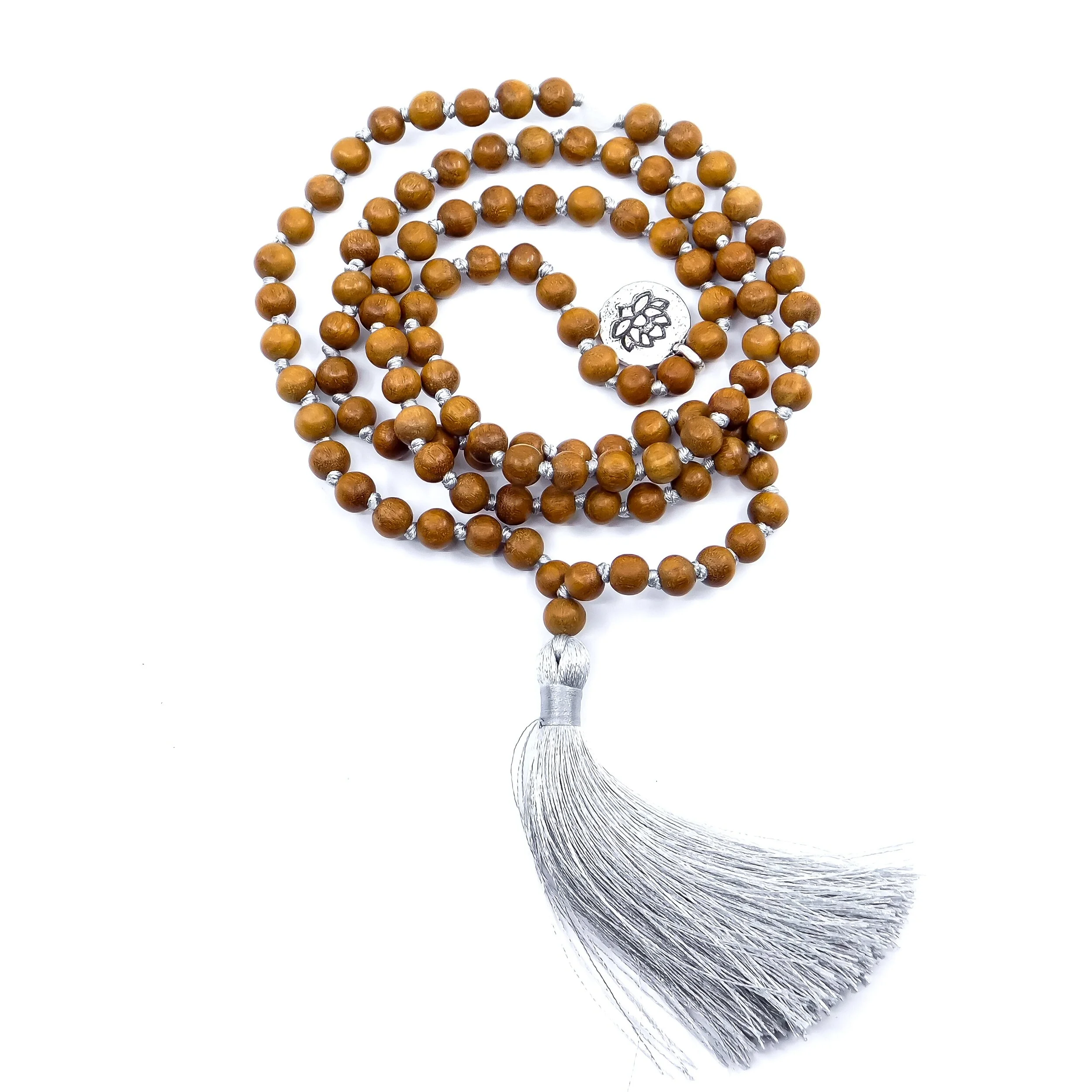
Holding or wearing a mala with lotus symbolism can act as a tactile reminder to slow down. Touching each bead while breathing grounds the body, reduces muscle tension, and gently shifts the body into a healing state.
Physical Alignment
The lotus posture in yoga—Padmasana—is not only symbolic but physically balancing. It strengthens the spine, opens the hips, and encourages deep breathing. While not everyone can sit in full lotus, the posture reminds us that the body itself can be a sacred seat for awareness.
Healing Benefits for the Spirit
The lotus is perhaps most powerful as a spiritual guide.
Awakening and Enlightenment
Every spiritual path speaks of awakening—the moment we see beyond illusion and reconnect with our true self. The lotus symbolizes that moment of blooming. It encourages us to move beyond old identities, false beliefs, and limiting patterns.
Spiritual Rebirth
Like the lotus sinking at night and rising at dawn, we too experience cycles of loss and renewal. The flower assures us that each ending is a beginning, and that the soul is capable of infinite rebirth.
Mala for Vets Intentions
On the spiritual level, our gemstone malas connect with the lotus by reminding us of peace, clarity, and divine connection. Wearing or meditating with them opens the heart to compassion and strengthens the crown chakra’s link to the higher self.
Chakras and the Lotus Flower

The lotus is often used to symbolize chakras, each petal representing energy centers within us.
Crown Chakra (Sahasrara)
At the top of the head, the crown chakra is often depicted as a thousand-petaled lotus. It represents connection to divine energy, universal truth, and enlightenment. When balanced, it brings clarity, wisdom, and peace. The lotus is the perfect symbol of this energy.
Heart Chakra (Anahata)
The lotus also resonates with the heart chakra. Its unfolding petals represent love, compassion, and forgiveness. Working with lotus imagery at the heart level softens anger and opens us to deeper connections.
Root Chakra (Muladhara)
Even though the lotus blooms above, its strength comes from its roots in mud. This mirrors the root chakra, which grounds us in safety and stability. It reminds us that spiritual growth isn’t about floating away but being deeply rooted while reaching for the light.
Chakra Alignment with Mala for Vets
Many malas incorporate gemstones aligned with these chakras—like rose quartz for the heart or amethyst for the crown. When paired with lotus symbolism, they create a holistic alignment that grounds, opens, and uplifts.
Short Practices
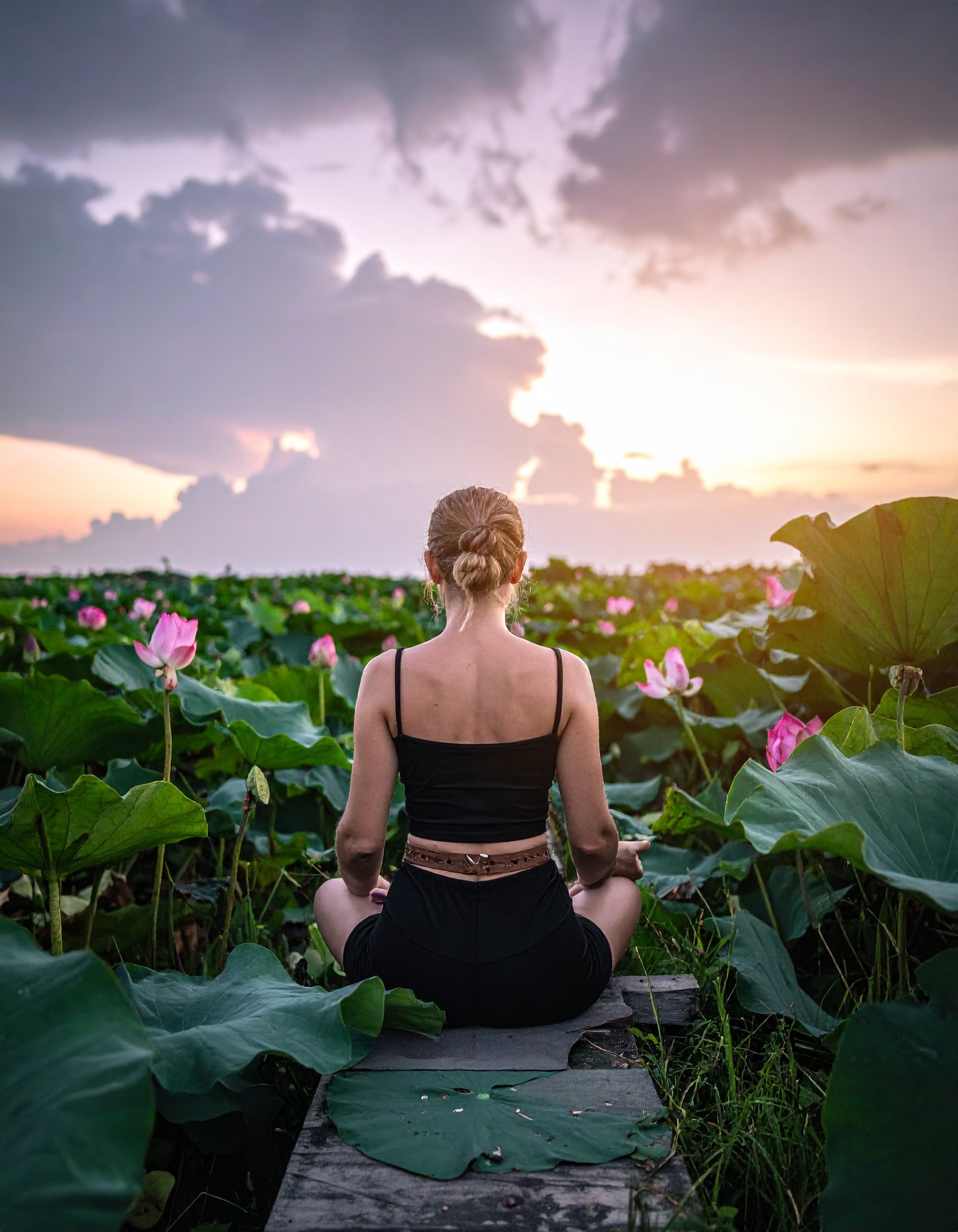
Meditation: Lotus Visualization
Sit comfortably with a straight spine. Close your eyes and imagine yourself as a lotus seed buried in mud. With each inhale, feel yourself rising upward. With each exhale, release the heaviness of the mud. Visualize breaking the water’s surface and opening into a radiant bloom. Sit in this image for several breaths, repeating the affirmation: “From struggle, I rise. From darkness, I bloom.”
Pranayama: Lotus Breathing
Sit upright. Inhale slowly through the nose, imagining the stem of the lotus growing upward. Hold for a moment at the top. Then exhale gently, imagining the petals unfolding in light. Repeat for 7–10 breaths, allowing body and mind to soften. This pranayama balances the nervous system and clears mental fog.
Integrating Lotus Energy Into Daily Life
Wearing Malas with Lotus Symbolism
Carrying a lotus mala is more than wearing jewelry—it’s a daily practice. Each time you see or touch it, you’re reminded of your ability to rise. Veterans, especially, can anchor resilience in this symbol, using it during stressful moments as a grounding tool.
Morning Ritual
Start your day by holding your lotus mala and setting an intention: clarity, strength, peace, or resilience. This anchors your energy before the world’s demands pull you off center.
Evening Reflection
At night, reflect on the day’s “mud” and how you rose above it. Thank yourself for your growth, no matter how small. The lotus is not about perfection; it’s about progress.
Final Reflections
The lotus flower has been celebrated for thousands of years, but its message is timeless. It reminds us that we can bloom in the middle of difficulty, that our struggles are not stains but stepping stones, and that our true essence is untouched by hardship.
For Mala for Vets, the lotus reflects our deepest gemstone intentions: healing, resilience, balance, clarity, and peace. For every warrior, seeker, or human walking through the mud of life, the lotus is a guide—a reminder that from the darkest waters, beauty can rise.
Carry this symbol with you. Wear it, meditate on it, breathe it into your body. Let it remind you of what you already are: whole, strong, and capable of blooming in your own time.