
Everything You Need to Know About Mala Beads
Whether you're new to meditation or looking to deepen your practice, explore answers to the most common questions about mala beads, their history, meaning, and how they can support mindfulness, healing, and personal growth.
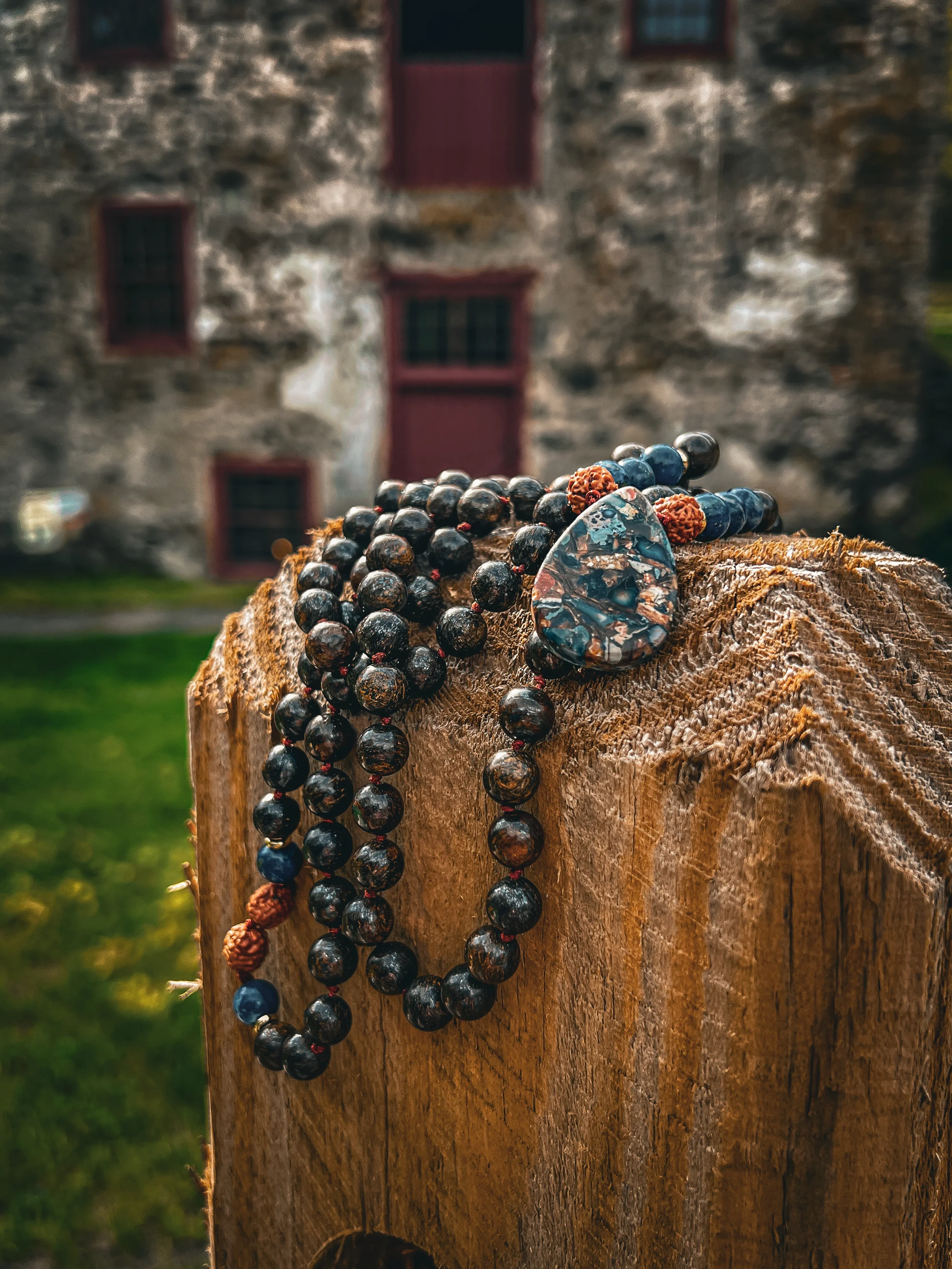
Your Mala Bead Questions, Answered
-
Mala beads are traditional meditation beads used to count mantras, affirmations, prayers, or breaths during meditation. A traditional mala contains 108 beads and is commonly used in yoga, mindfulness, and meditation practices. Today, many people also wear mala beads as a reminder of their intentions and personal growth journey.
Learn more in our Mala Beads FAQ →
-
To meditate with a mala, begin at the bead next to the guru bead and move one bead at a time while repeating a mantra, affirmation, prayer, or mindful breath. This practice helps improve focus and creates a structured meditation experience.
Learn more in our Mala Beads FAQ →
-
Japa meditation is a traditional meditation practice that involves repeating a mantra while moving through each bead of a mala. It is one of the most common ways to use mala beads for meditation.
Learn more in our Veteran Wellness FAQ →
-
The number 108 has been considered sacred for thousands of years in Hindu, Buddhist, and yogic traditions. It symbolizes spiritual completion, self-discovery, and personal transformation.
-
The guru bead is the larger bead that marks the beginning and end of the meditation cycle. It serves as a reminder to pause and reflect before beginning another round.
-
Prayer beads are found in many religious traditions. Mala beads specifically refer to the traditional 108-bead meditation strands used in yoga, Buddhism, and Hinduism.
-
Absolutely. Mala beads are often recommended for beginner meditation practitioners because they provide a physical focus point that helps reduce distractions.
-
Yes. Many people wear their mala beads daily as a reminder of their intentions, meditation practice, and personal growth journey.
-
Many people do, although removing your mala before sleeping may help extend its lifespan. Also, many people tell me that they like to have their mala under their pillow or at their bedside table.
-
Natural gemstones, sandalwood, rudraksha, silk cord, and tassels can be damaged by prolonged exposure to water. Removing your mala before showering or working out is recommended.
-
Store your mala in a dry location away from excessive moisture and direct sunlight. Proper care will help preserve the gemstones, wood beads, and cord.
-
Popular cleansing methods include moonlight, meditation, incense, sound, intention setting, and prayer. We recommend you leave them out to rest in the sunlight or moonlight. You can use a form of bell known as a Tibetan Singing Bowl, which produces a cleansing sound and vibration. You may also cleanse them by burning sage or even by placing them in Himalayan crystal salt.
HOW TO PURIFY & RE-ENERGIZE: All you have to do is simply chant “Om Namah Shivaya” 5 times. This translates to “I bow to the inner Self.”
-
The best mala is the one that aligns with your intentions. Some people seek grounding and protection, while others focus on clarity, courage, compassion, resilience, or spiritual growth. Choosing a mala based on the gemstones and intentions that resonate most with you is often the best place to start.
Explore Our Collections →
-
Hand-knotted mala beads include individual knots between each bead, known as Brahman knots, improving durability while creating a smoother meditation experience.